
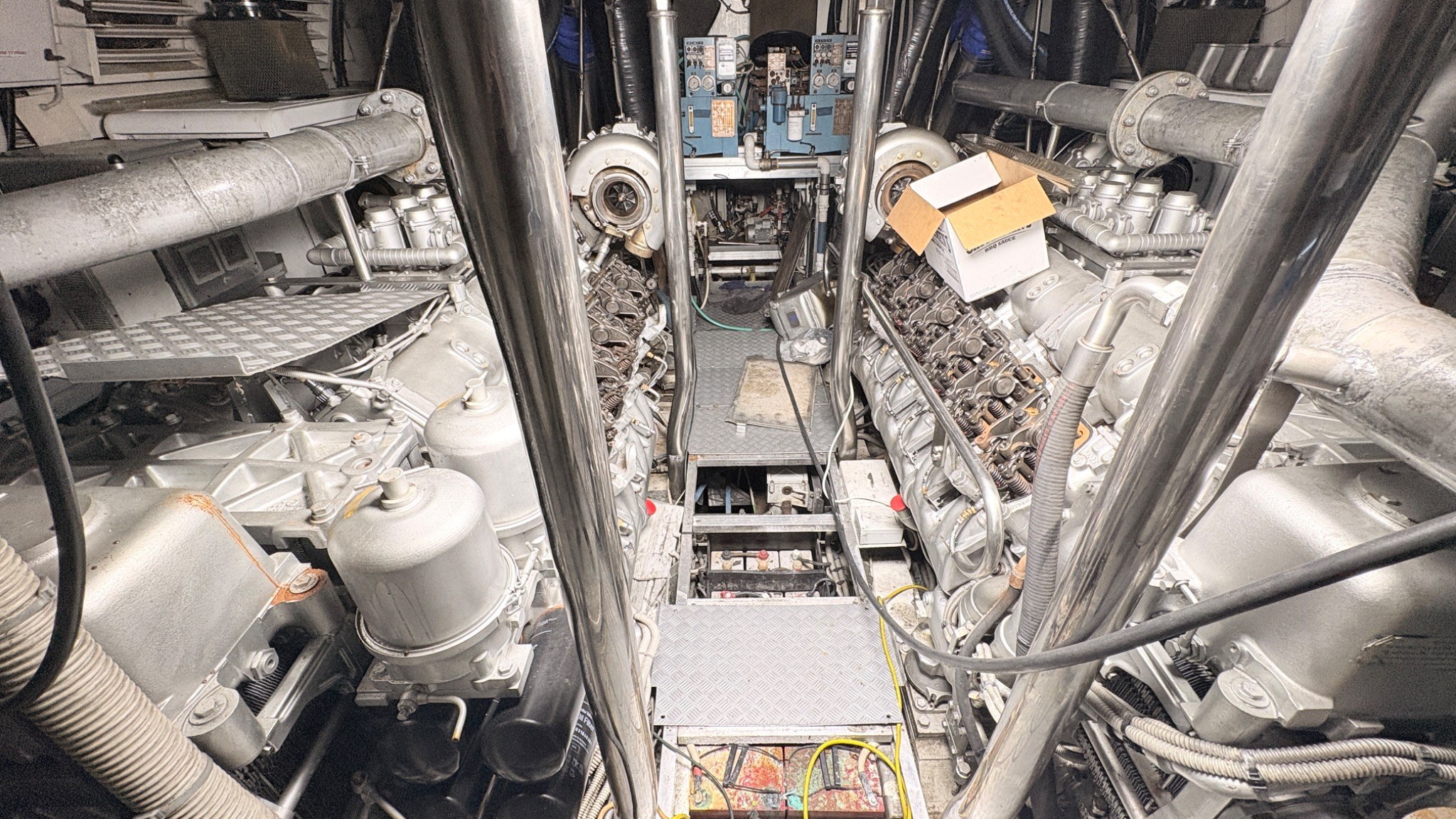
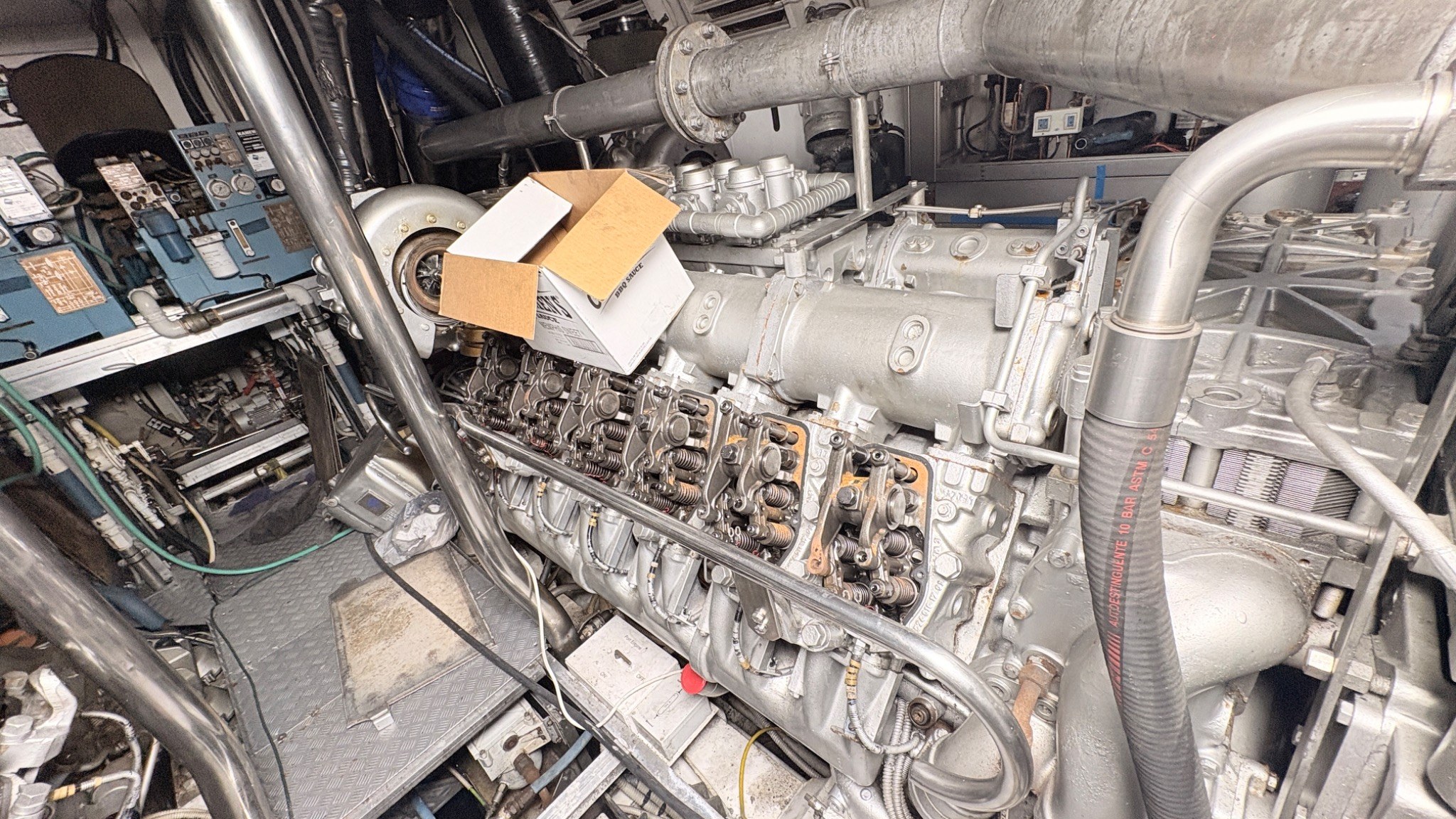
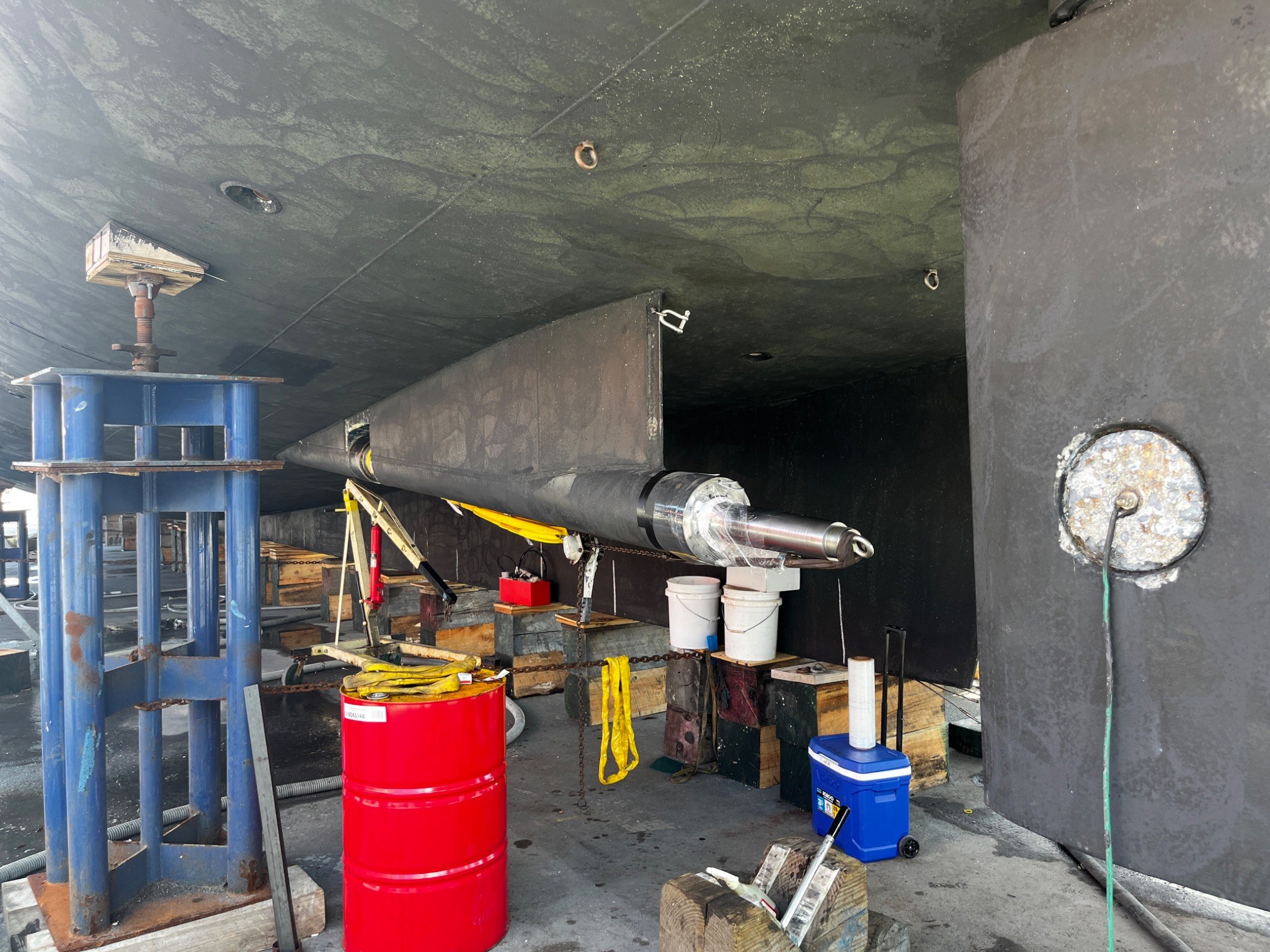
Engineering analysis grounded in the way yacht machinery is installed and operated.
A failed component often sits at the end of a longer mechanical sequence. Loads, alignment, support, cooling, lubrication, vibration, installation geometry, maintenance and prior repair history may all be relevant to why the failure occurred.
Inspection can extend from engines and gears through mounts, couplings, shafting, bearings, seals, struts, exhaust and cooling systems where those interfaces are relevant to the reported condition.
The analysis is intended to distinguish the damaged component from the cause of damage, identify credible contributing conditions and evaluate the technical reasonableness of proposed repairs.
Typical scope
- Main engines, generators and reduction gears
- Engine mounts, couplings and alignment conditions
- Propeller shafts, bearings, struts and seals
- Exhaust, cooling and lubrication-system concerns
- Vibration, support and installation-related failures
- Repair history, service records and remedial-scope review
What the analysis is designed to establish.
- Condition of the failed component and connected machinery
- Alignment, support, loading and installation geometry
- Cooling, lubrication, exhaust and operating conditions
- Maintenance intervals, service history and prior repair work
- Whether claimed causation is consistent with the physical evidence