
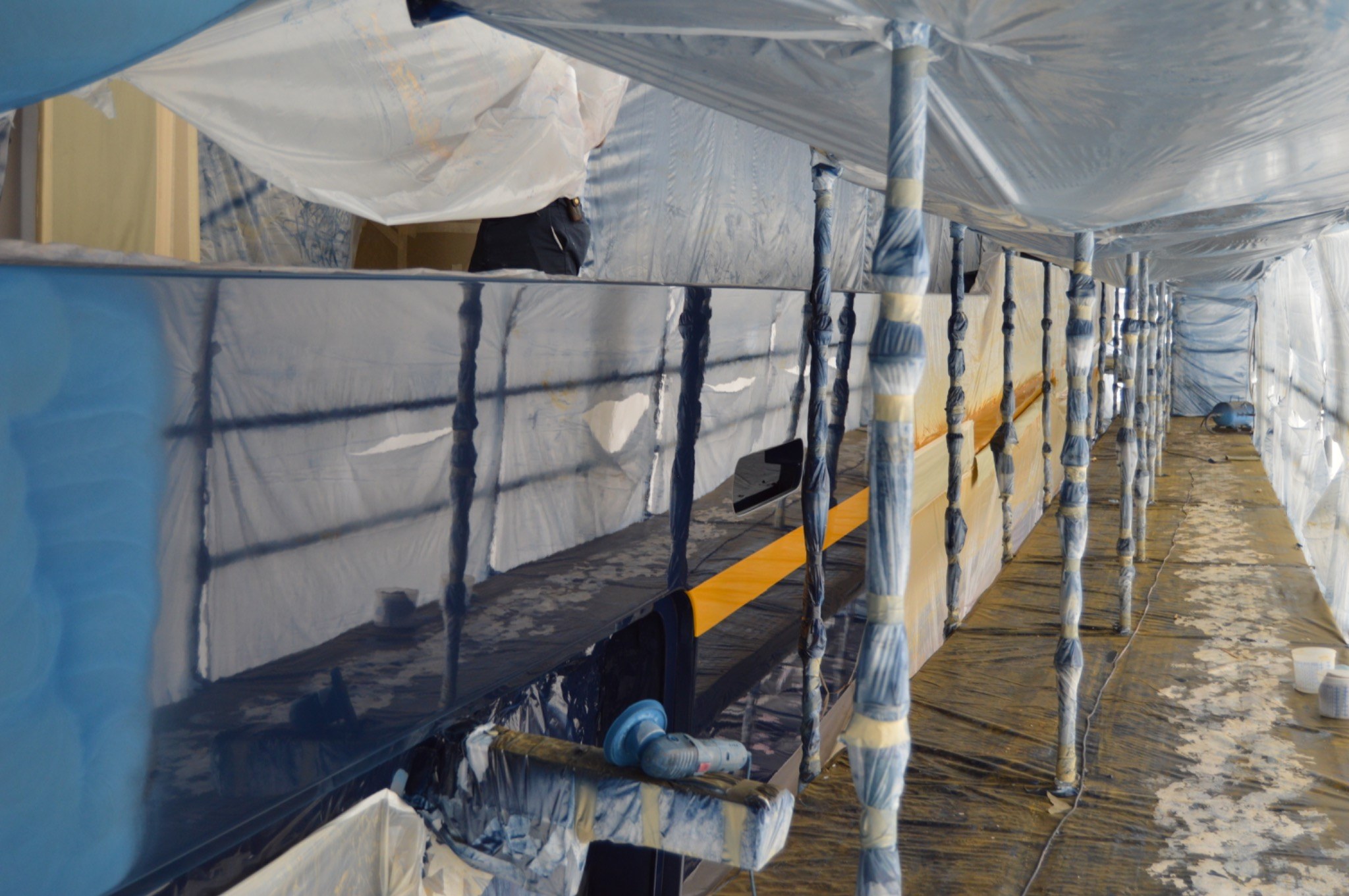
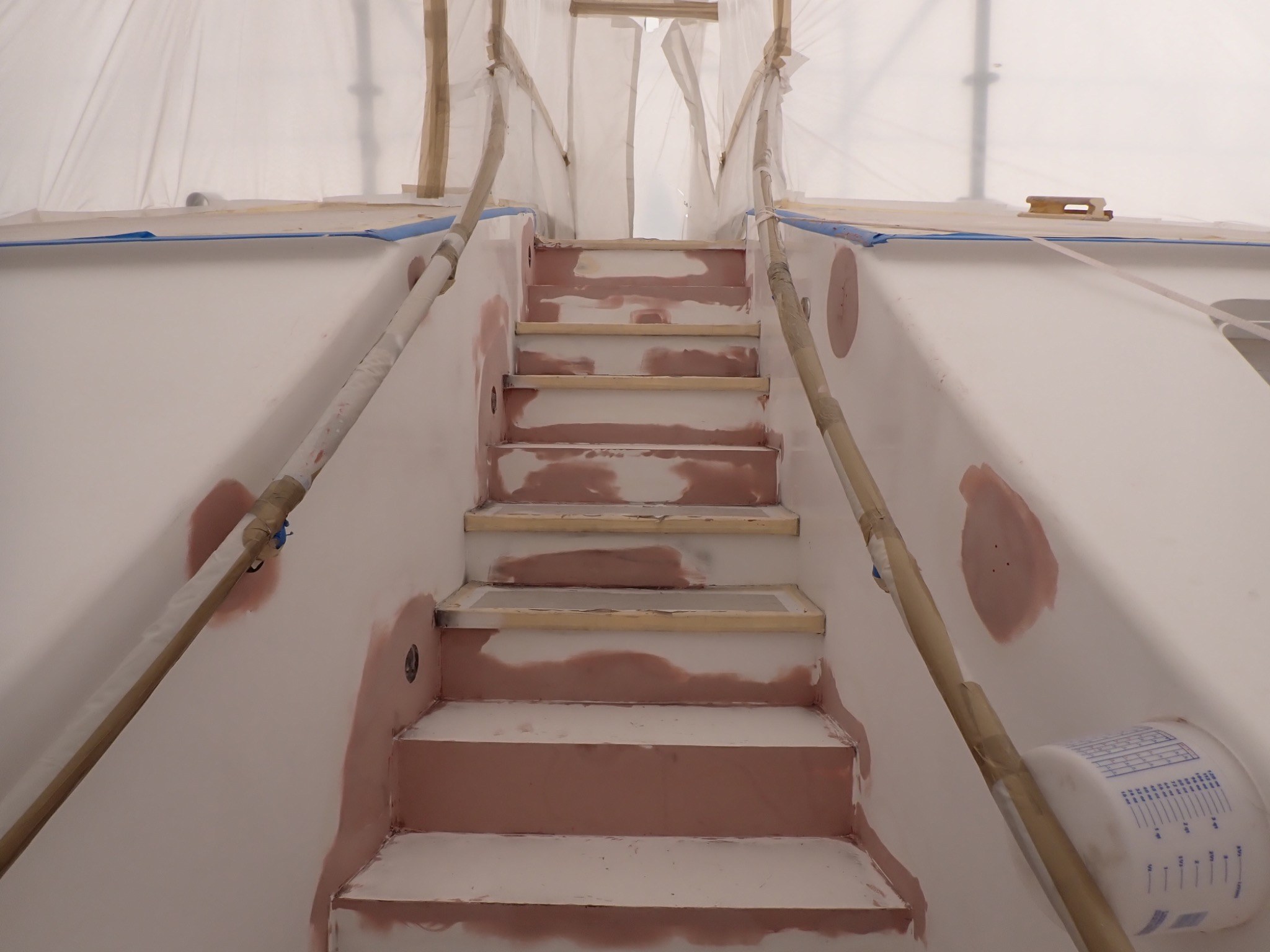

Measured condition, documented defects and a proportionate remedial scope.
A coating complaint can be cosmetic, systemic or the visible symptom of a substrate, preparation, environmental or application problem. Reliable assessment requires more than photographs and subjective descriptions of finish.
Inspection may combine visual defect mapping with gloss readings, coating-thickness measurements where technically appropriate, examination of repair boundaries, substrate condition and review of coating specifications, environmental records and contractor documentation.
The objective is to identify the nature and distribution of observed defects, distinguish isolated finish issues from broader coating-system concerns and determine what additional testing or remedial work is technically justified.
Typical scope
- Paint and topcoat condition surveys
- Gloss measurement and comparative finish assessment
- Coating-thickness measurements where appropriate
- Contamination, etching, staining and overspray assessment
- Orange peel, print-through, pinholing, cracking and repair-boundary review
- Refit quality control and post-repair verification
What the analysis is designed to establish.
- Distribution and repeatability of observed coating defects
- Relationship between affected areas, substrates and repair history
- Consistency with specification, application records and environmental conditions
- Whether polishing, localized repair or broader recoating is technically justified
- Objective baseline measurements for subsequent repair verification