
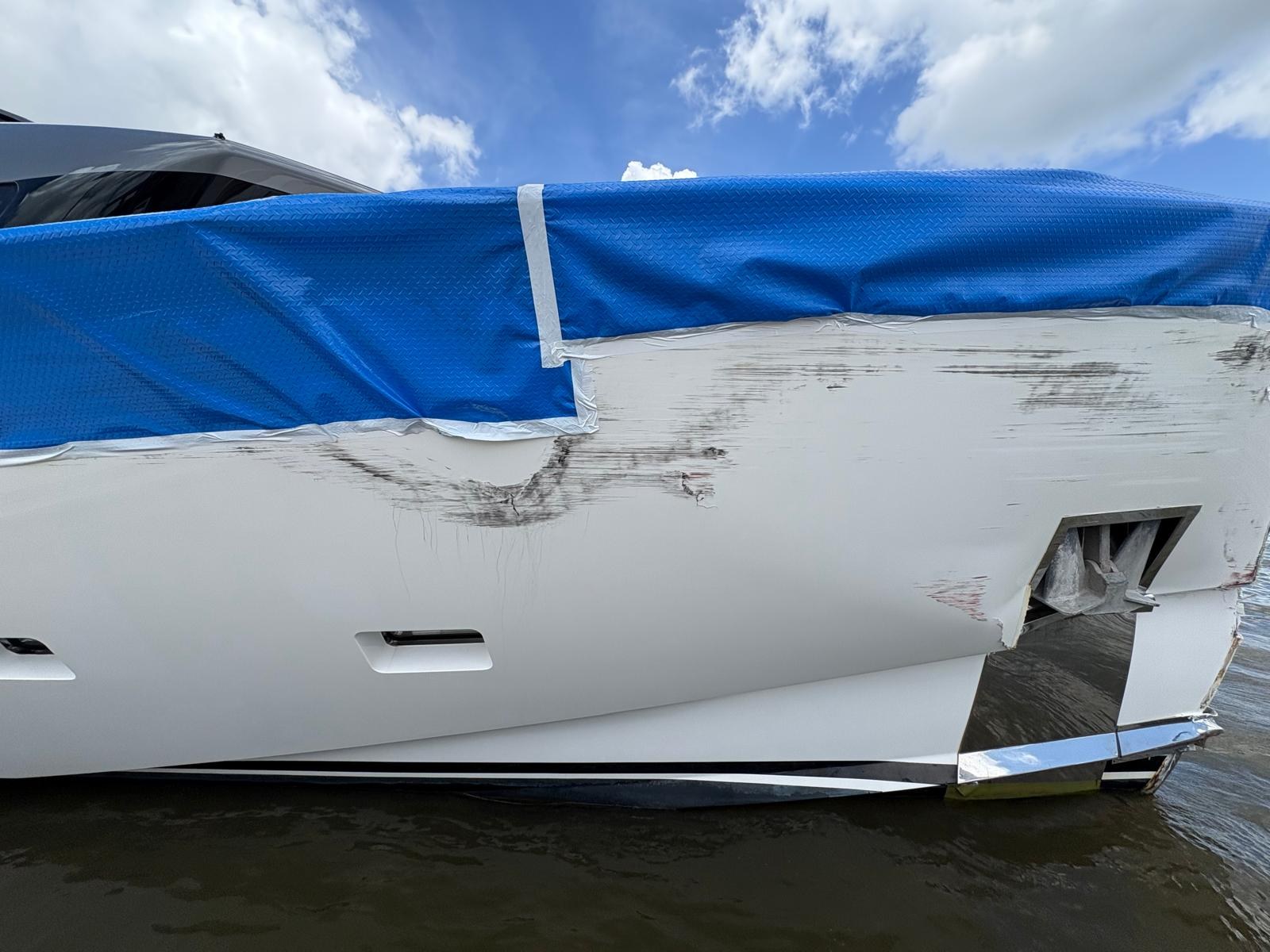
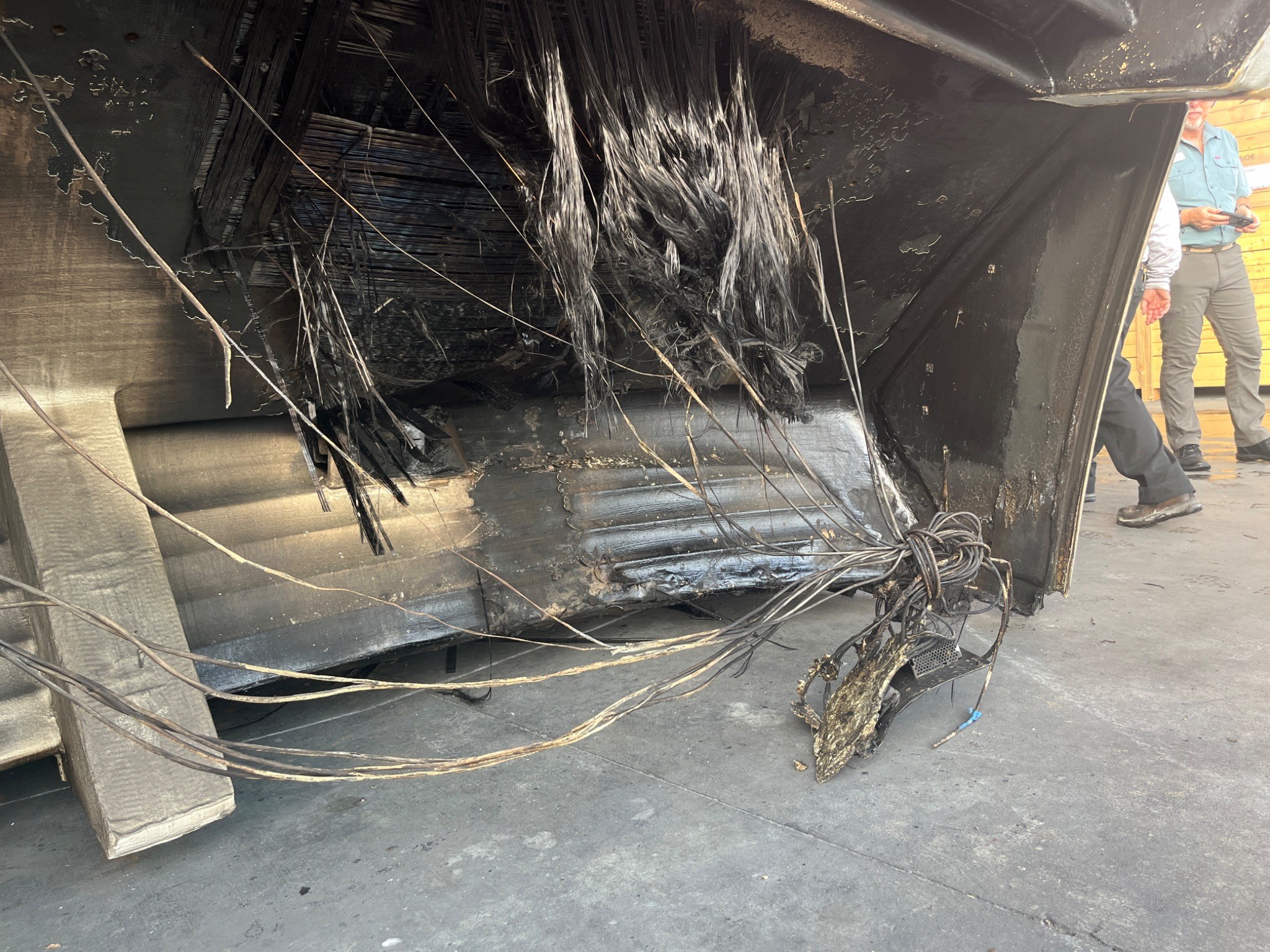
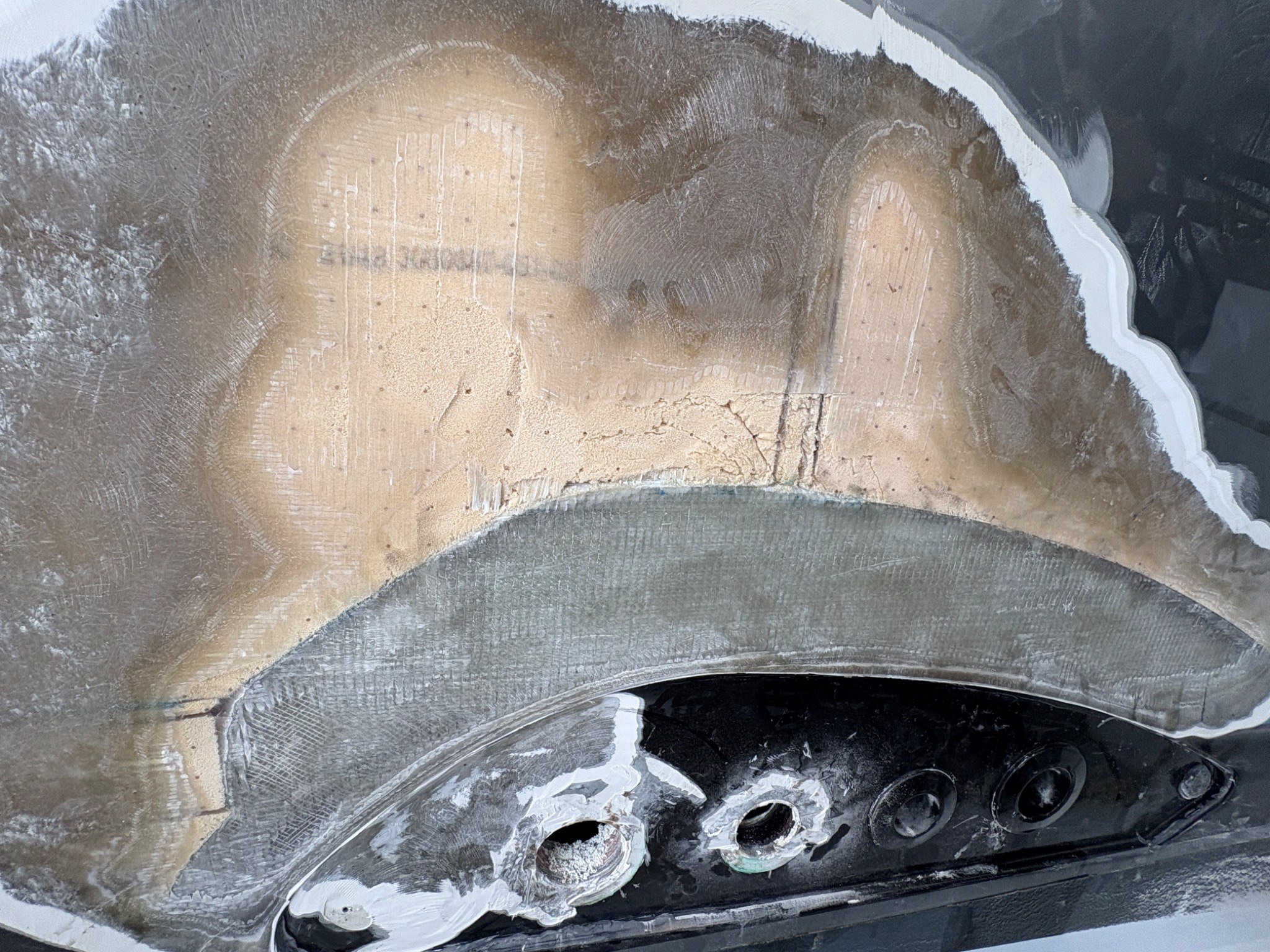
Establishing what happened, what contributed and what the evidence supports.
Casualty work begins with preservation of evidence and a disciplined separation of observed fact from assumption. The inspection scope is developed around the reported event, the affected systems and the decisions that must follow.
Assignments may involve a single failed component or a vessel-wide event. Inspection can extend from the immediate damage to surrounding structures, machinery, electrical systems, fluid paths, installation details and records where those elements are relevant to causation.
Reporting is structured to document observed conditions, identify limitations, distinguish primary damage from pre-existing deterioration and explain the technical basis for each conclusion.
Typical scope
- Flooding, water ingress and partial-sinking events
- Grounding, collision and impact damage
- Machinery, propulsion and component failures
- Structural, composite and installation-related damage
- Preservation-focused inspection and repair monitoring
- Review of service records, photographs, repair history and technical documentation
What the analysis is designed to establish.
- Condition of the failed or damaged component and adjacent installation
- Plausible ingress, load, heat, vibration, electrical or mechanical pathways
- Maintenance history, prior repairs and evidence of progressive deterioration
- Consistency between physical evidence and the reported sequence of events
- Scope and technical reasonableness of proposed repairs