Distinguishing the observed damage from the mechanism that produced it.
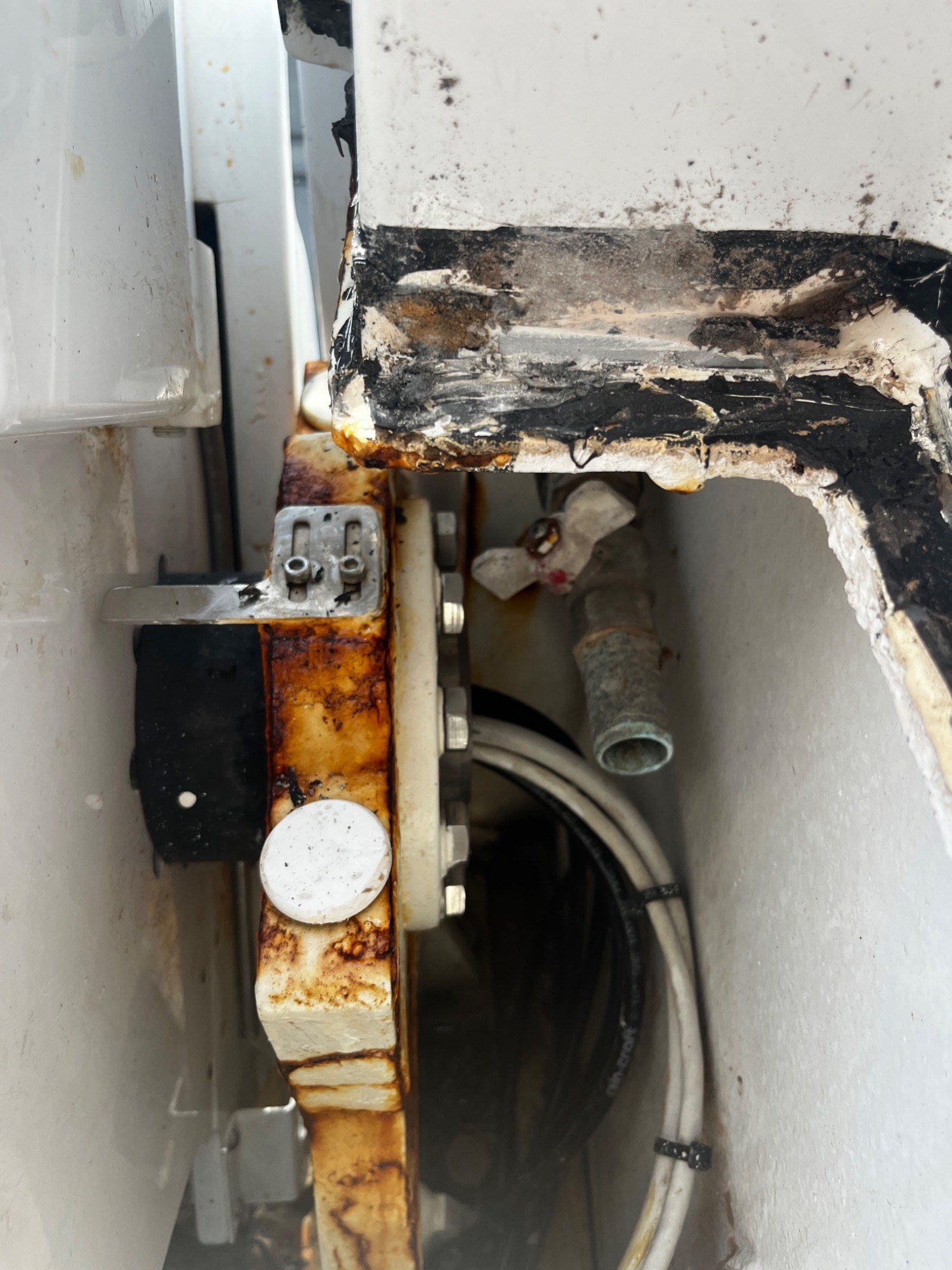
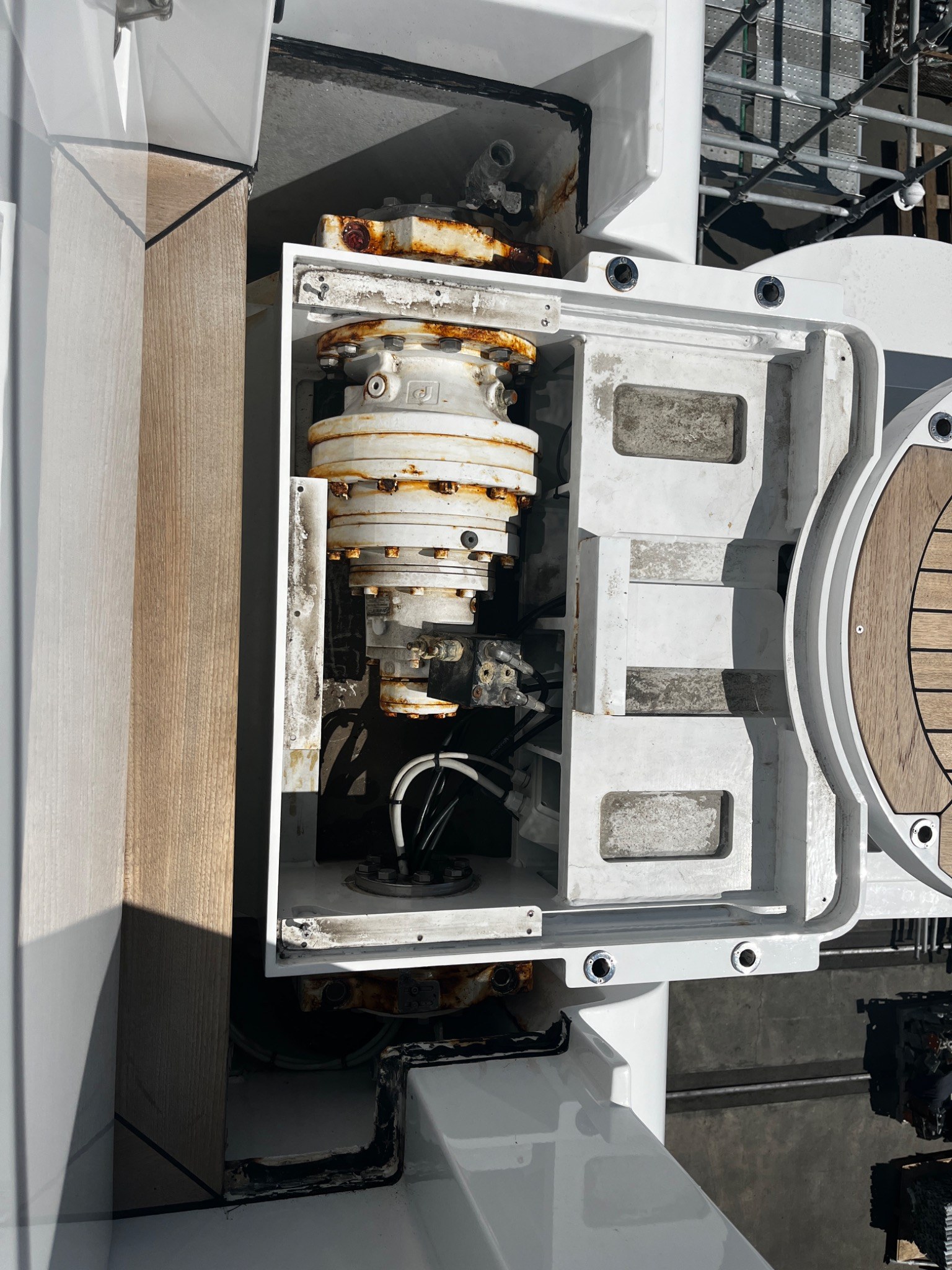
Similar-looking metal loss can arise from very different mechanisms. Galvanic activity, impressed or stray current, inadequate cathodic protection, coating breakdown, crevice conditions and ordinary deterioration require different evidence and different corrective action.
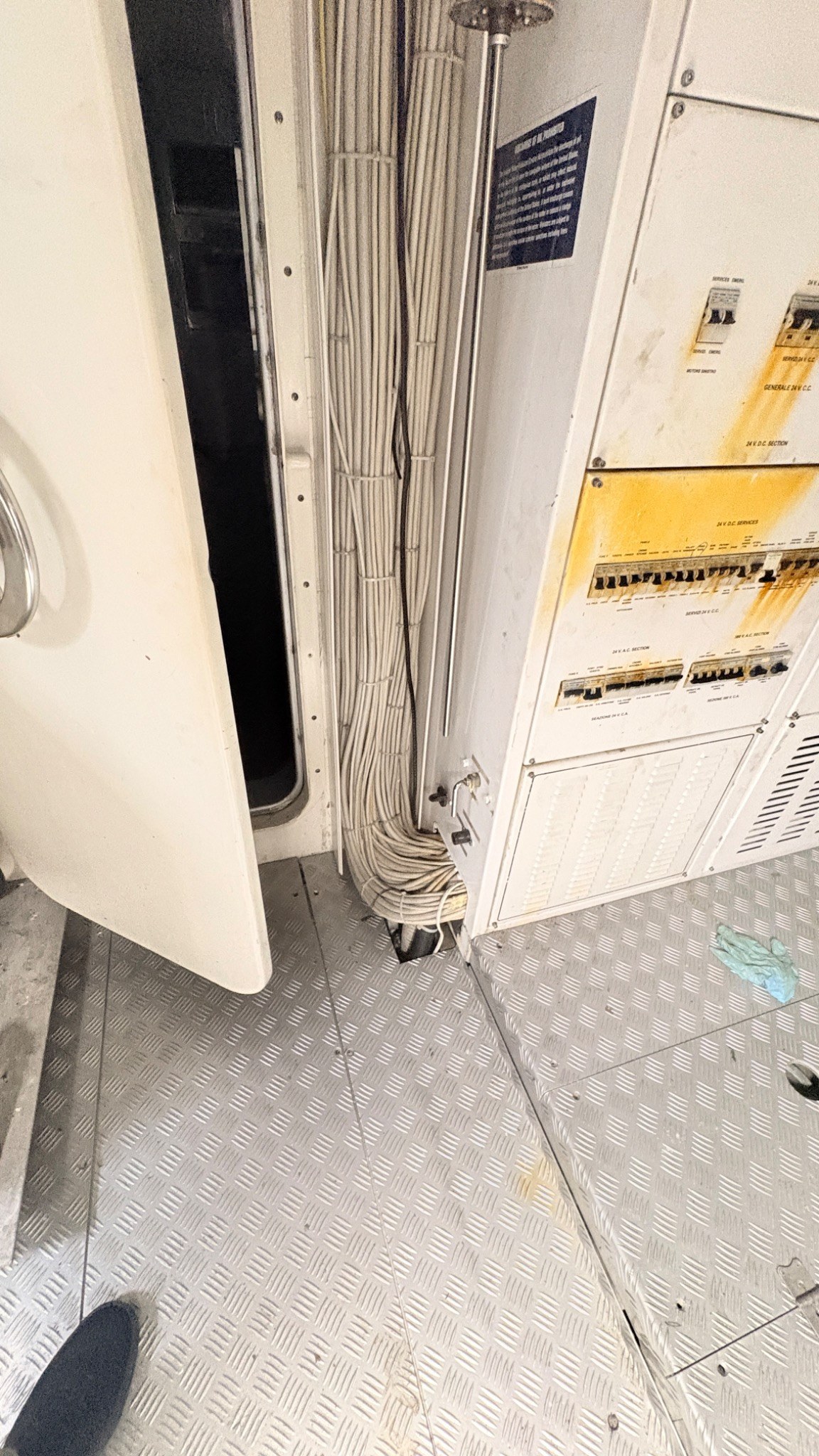
Investigation can include visual examination, bonding and continuity checks, review of anode condition and distribution, electrical-system inspection, shore-power considerations, installation review and correlation with service history and prior repairs.
The scope is tailored to the vessel and the alleged mechanism. Conclusions identify what the available evidence supports, what remains unproven and what additional testing may be necessary.
Typical scope
- Galvanic and suspected stray-current corrosion
- Bonding-system and continuity assessment
- Cathodic-protection and anode review
- Underwater metals, shafts, struts, propellers and fittings
- Electrical installation and shore-power considerations
- Corrosion damage documentation and remedial-scope review
What the analysis is designed to establish.
- Location, morphology and distribution of metal loss
- Electrical continuity and bonding configuration
- Anode condition, material, placement and consumption pattern
- Relationship to coatings, dissimilar metals and wetted interfaces
- Evidence supporting or contradicting an alleged electrical source